
Blog Details
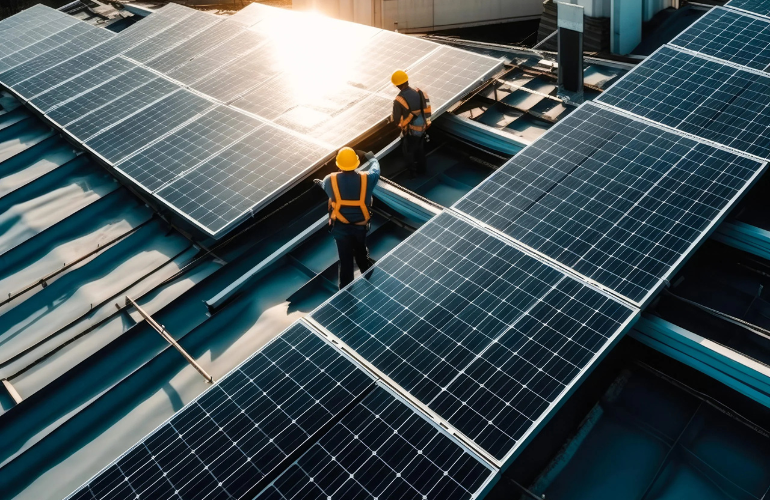
Solar Energy
Image Credit: SEIA
Going solar is among the best investments homeowners can make right now. Not only will it lower your electricity bills, but it also reduces your carbon footprint. That being said, negotiating a solar deal can be like reading a legal contract—complete with unknown terminology and clauses. Before signing on the dotted line, it’s important to know what you’re getting yourself into.
- Power Purchase Agreement (PPA)
A Power Purchase Agreement, or PPA, is one of the most popular options for going solar without an up-front purchase price for a solar panel system. With a PPA, a third party will install solar panels on your property, and you will purchase the electricity those panels produce—typically at a rate less than your utility company’s.
Why it matters:
- You don’t own the system—the installer does.
- You won’t be able to claim tax credits or incentives.
- You will also pay a yearly “escalator fee” that raises the price annually.
What to look for:
- Starting price per kWh
- Rate hike per year (usually 2-3%)
- Length of time (usually 20–25 years)
- Early cancellation fees
- Solar Lease
Like a PPA, a solar lease is where you don’t purchase the system itself. You pay a set monthly fee to utilize the installed solar panels on your home. Maintenance and monitoring are taken care of by the leasing company, and you have the savings on energy bills.
Why it matters:
- No maintenance hassles for you
- No ownership = no increased home value
- Lease periods can be lengthy and hard to terminate
What to look for:
- Monthly payment value
- Lease term (typically 15–25 years)
- Transfer procedure if you sell your house
- End-of-term choices (buy, renew, delete)
- Net Metering
Net metering is a billing system where your utility credits you for the surplus solar power your system generates and feeds back to the grid. Your meter effectively “runs backward,” reducing or eliminating your bill.
Why it’s important:
- Maximizes savings
- May not be offered everywhere
- State rules differ
What to review:
- Local net metering rules
- Credit rate (retail vs. wholesale)
- Monthly vs. annual settlement
- Cap limits (some states limit credits after a certain output)
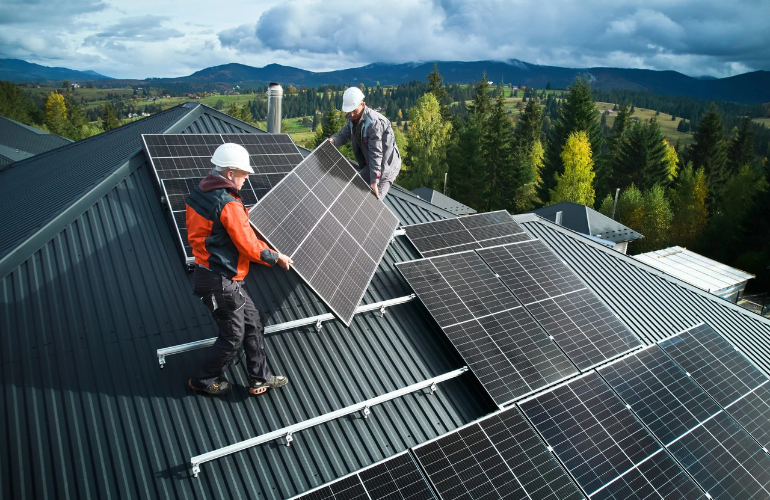
Installing solar Panels
Image Credit: SEIA
- System Maintenance and Warranties
Maintenance might not be top-of-mind when you’re getting a new solar system, but knowing what’s covered—and for how long—is crucial. Warranties can vary by installer, manufacturer, or contract type (lease vs. purchase).
Why it matters:
- Solar panels last 25+ years, but inverters may fail sooner
- Maintenance issues could cost hundreds or thousands
- Weak warranty protection may expose you to risk
What to look at:
- Panel performance warranty (typically 25 years)
- Equipment warranty (10–12 years typical)
- Workmanship/labor warranty (Typically 1–10 years)
- Who does repairs and what it costs under your agreement
- Solar Renewable Energy Certificates (SRECs)
If you reside in a state that provides SRECs, you might actually be paid for the solar electricity you generate. You receive one SREC for each 1,000 kilowatt-hours (kWh) your system produces, and you can sell this SREC to utilities that must comply with renewable energy mandates.
Why it matters:
- Other source of income
- Rights could be forfeited in lease/PPA transactions
- SREC values can change
What to review:
- If your state has SREC programs
- Who owns the SRECs—you or the installer
- How you’re paid (monthly, quarterly, or annually)
- Any contractual limitations or exclusions
Bonus Tip
Many homeowners make the mistake of focusing only on monthly savings. But small clauses—like performance guarantees, system removal fees, or transfer restrictions—can make a big difference over time.
Before signing anything:
- Ask for a sample contract
- Have a third party (lawyer or energy expert) review the terms
- Ask for a complete breakdown of estimated savings, system specs, and upfront costs
Conclusion
Solar can be a savvy and worthwhile choice—provided you know exactly what you’re getting yourself into. Becoming aware of these five solar deal terms—PPA, lease contracts, net metering, maintenance and warranties, and SRECs—will leave you better prepared to select the deal that really works for your home and your bank account. Don’t be shy about asking questions or negotiating better terms. A solar system is a long-term commitment, and you should have complete transparency before you commit yourself to a multi-year deal.