
Blog Details
The Appeal of DIY Solar Kits
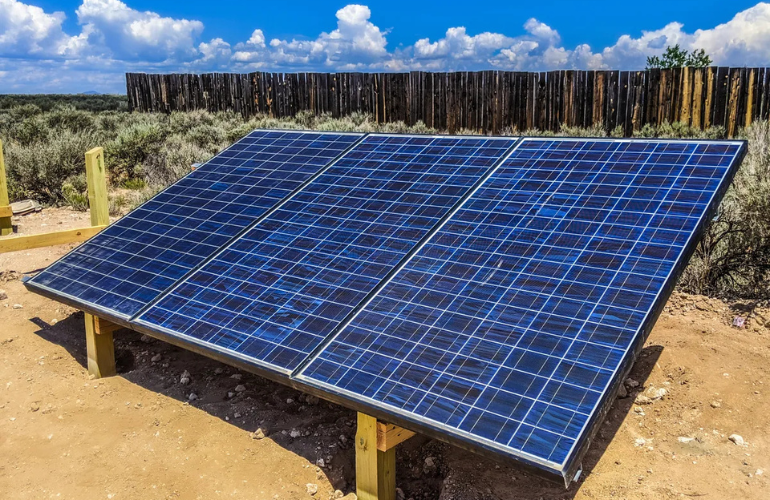
DIY solar kits promise convenience and lower costs. These typically include solar panels, a charge controller, an inverter, and mounting hardware—everything needed to get started. The major draw is price. A 5kW DIY kit costs between $6,000 and $10,000, much less than the $15,000–$25,000 for professional installation of the same size. DIY also offers control—you manage the installation, which can be satisfying if you’re skilled with electrical work. However, the upfront price doesn’t tell the whole story. Hidden costs like permits, inspection fees, extra wiring, and tools can add up. Plus, DIY installation can take several weekends, especially if problems arise.
The Professional Installation Advantage
Professional installations cost more but offer significant advantages. The most important thing is safety. Solar installations involve electrical work. rooftop access, and integrating with your home’s power system—tasks that can be dangerous without expertise. Professionals are licensed, insured, and trained to perform the job safely. They handle permits, utility approvals, and interconnection, ensuring compliance with local regulations. Professional installations come with robust warranties, often covering 20-25 years for parts and performance. Many companies also provide workmanship guarantees, covering issues that may arise later, something DIY kits usually lack unless separately purchased. Additionally, to qualify for certain state or utility incentives, your system may need to be installed by a certified contractor. By going DIY, you might miss out on hundreds or thousands in potential savings.
Real Costs vs. Perceived Savings
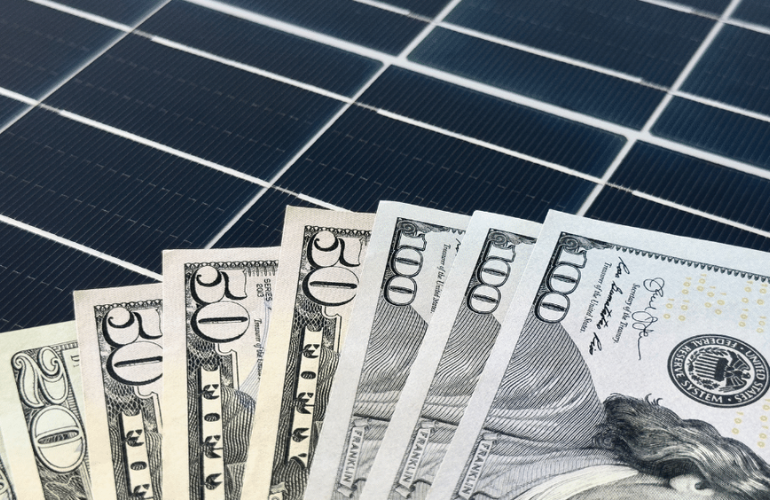
DIY kits seem like a cheaper option, but the total cost of ownership is more complex. Added expenses for installation, repairs, permits, and potential errors can reduce your expected savings. In contrast, professional installers often offer financing, rebate assistance, and leasing or power purchase agreements (PPAs) that lower upfront costs. While you might not own the system outright immediately, you also avoid a large initial expense.
System efficiency is another consideration. A DIY system, if improperly installed, may generate less electricity, reducing long-term savings. Professionals use advanced tools to design systems tailored to your roof, location, and energy consumption, precision most homeowners can’t achieve on their own.
What Works Best for You?
The right choice depends on your budget, skill level, and goals.
If you’re a seasoned DIYer with electrical knowledge and familiarity with building codes, a DIY kit might save you a few thousand dollars—especially for small off-grid or portable setups.
However, for full-scale residential installations, professional installation is usually the smarter option. It ensures maximum efficiency, eligibility for all incentives, and the comfort of warranties and expert support.
Conclusion
When it comes to solar power, cheaper upfront doesn’t always mean more savings. DIY solar kits can be effective for some but come with challenges like hidden costs, safety risks, and lower system performance if not perfectly installed. On the other hand, professional installations provide peace of mind, regulatory compliance, long-term value, and often better efficiency—even if the upfront cost is higher.
Ultimately, the question isn’t just “Can I do it myself?” but “Should I?” Consider your home, your comfort with complex projects, and how much risk you’re willing to take. Solar is a long-term investment, and how you start directly affects your savings for years to come.