
Blog Details
Solar Panel Maintenance
Investing in a solar energy system is one of the smartest moves you can make to reduce energy bills and support a more sustainable future. But even the best solar energy systems aren’t immune to wear and tear. If you want to protect your investment and keep your panels running at peak efficiency, understanding solar panel maintenance, recognizing potential problems, and applying simple prevention strategies are essential.
Hotspots and Module Degradation
Hotspots form when a part of your solar panel gets hotter than the rest, usually due to shading, manufacturing defects, or physical damage. Over time, these hotspots cause solar panel degradation, reducing performance and possibly leading to permanent failure.
To prevent this, schedule regular solar panel inspections. Thermal imaging can help detect hotspots before they become a major issue. Make sure your system undergoes a professional shading analysis before installation. Trees, chimneys, or nearby buildings may throw shadows that reduce panel output. Installers should recommend high-quality solar panels that meet rigorous manufacturing standards and maintain their output over time.
Additionally, keep your system clean. Dirt, bird droppings, and debris can create micro-shading, forming potential hotspots. Basic solar panel cleaning every few months can go a long way in maintaining consistent performance.
Inverter Issues
The inverter is responsible for converting the electricity your panels generate from DC to usable AC power. Unfortunately, it’s also one of the most failure-prone components in your system.
You’ll want to invest in a high-quality inverter from a reputable brand and make sure it’s installed in a shaded, well-ventilated area. Heat is one of the most common causes of inverter failure, so location and airflow matter.
Set up a solar panel monitoring system to track performance in real time. That way, you can catch anomalies quickly before they escalate. Include surge protection in your setup to guard against power spikes, and have your inverter inspected annually to ensure all connections and components are working correctly.
 Solar Panel Cleaning
To prevent this, hire certified and experienced installers who follow national electrical code standards. Use UV-resistant wiring built for solar installations. During annual checkups, inspect all connections and junction boxes. Applying corrosion-resistant materials and sealing exposed wiring can help mitigate risk, especially if you live near the coast or in a humid climate.
More Than Just Aesthetic
Your panels are only as secure as the system that holds them in place. Faulty racking can cause alignment problems, roof leaks, or worse—panels detaching in high winds.
Choose a mounting system that’s rated for your specific climate. If you live in areas prone to hurricanes or heavy snowfall, you’ll need reinforced racking systems. Always have your roof inspected for structural integrity before installing any rooftop solar system.
Check periodically to ensure that bolts haven’t loosened and that there’s no rust or structural wear. This step also helps prevent roof damage and prolongs the life of both your panels and your home.
Spotting Problems Early
Many homeowners don’t realize their solar panel performance has dropped until they get a surprisingly high energy bill. Installing a real-time solar monitoring system allows you to track your system’s energy production and performance.
These tools can alert you immediately if something goes wrong. By regularly reviewing your system’s data, you can catch underperformance and act before it becomes a larger issue.
Animal Interference
Squirrels and birds might seem harmless, but they can chew through wires and nest beneath panels. This type of damage is more common than you think and can lead to costly repairs.
Installing animal guards or mesh barriers is one of the simplest and most effective solutions. Don’t wait until you hear scratching noises on your roof—add these protections during or immediately after installation.
Weather-Related Damage
No matter where you live, your system faces the elements. Hailstorms, strong winds, and extreme temperature swings can all compromise your setup over time.
Look for solar panels with high-impact ratings and frames built for your region’s conditions. If you live in a hurricane zone, for example, make sure your installer uses hurricane-rated racking and anchoring systems. Keep an updated home insurance policy that covers weather-related panel damage, just in case.
Solar Panel Cleaning and General Maintenance
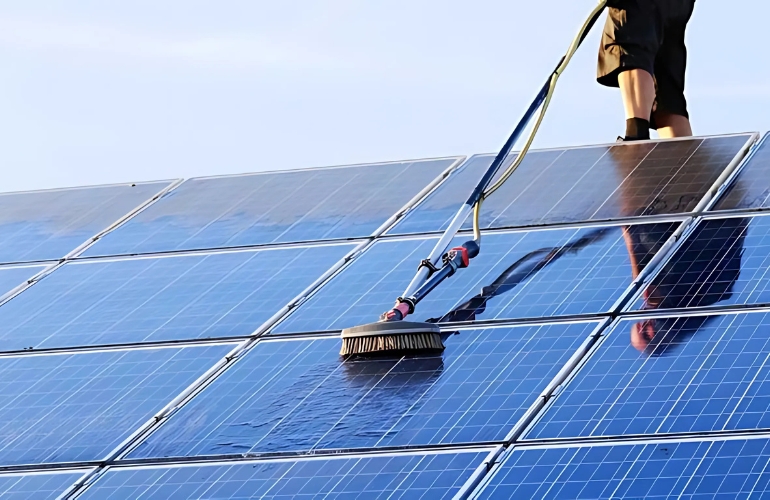
Routine cleaning and inspection can have a surprisingly large impact on solar panel efficiency. You don’t need to scrub them every weekend, but a basic cleaning every 3–4 months using water and a soft brush helps remove grime and dust buildup.
If you prefer not to DIY, search for a solar panel cleaning service near you. They’ll have the tools and expertise to clean your panels safely and effectively, especially if they’re on a steep roof.
Your solar panel maintenance cost will vary depending on system size and location, but budgeting for at least one professional inspection per year is recommended. Maintenance plans offered by local solar companies can make this process easier and more affordable.
Conclusion
Owning a residential solar energy system isn’t just about installing panels and forgetting about them. If you want to protect your investment, you need to stay proactive. By understanding common issues—from hotspots and inverter failures to weather-related wear—and addressing them early through routine care, monitoring, and professional inspections, you’ll extend your system’s life and keep it running efficiently. Whether you’re looking to boost output, reduce maintenance expenses, or prevent major breakdowns, smart solar maintenance is the key to getting the most from your setup in 2025 and beyond.
Leave A Comment