
Blog Details
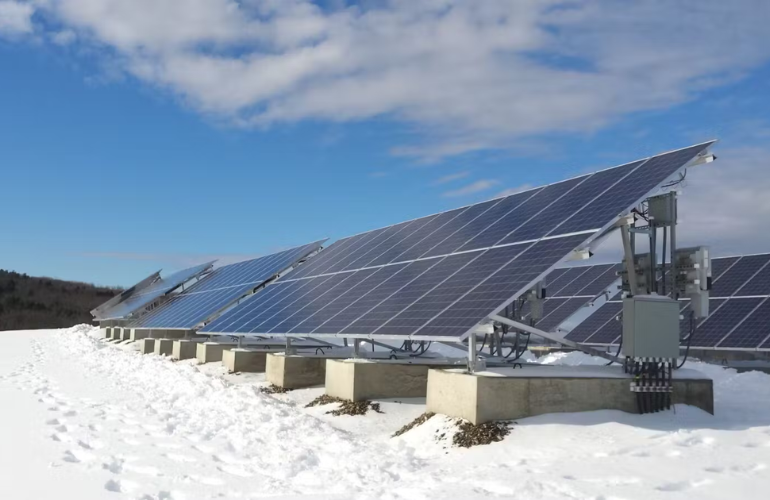
Solar Panels in Snowy Landscape
Image Credit: ReVision Energy
As energy prices keep rising and climate consciousness tops the agenda, more residents and businesses are looking at making the switch to solar. But there is a question that keeps being asked: Is it more cost-effective to purchase solar panels during summer or winter?
In 2025, this is as applicable as ever. As demand increases, technology changes, and government incentives ebb and flow, knowing when to invest can save you a lot of money. Let’s dissect it and assist you in deciding when to purchase solar panels this year.
Understanding the Seasonal Price Fluctuations
The cost of solar panels isn’t solely about the panels themselves. It’s influenced by supply chains, demand, installer availability, government incentives, and even weather patterns. Here’s what you need to know about both seasons:
Summer: Peak Demand, Quick Installations
Advantages:
-
- Longer Days = Increased Output
Summer is the most sunny time of year, so it’s the highest production time for solar energy. Panels installed prior to or in the summer can produce a maximum amount of power immediately.
- Longer Days = Increased Output
- Installer Incentives
Some solar providers have pre-summer deals to attract new clients before peak season.
Cons:
- High Demand = Higher Prices
Since more individuals want panels installed during summer, demand is high, and so are prices.
- Limited Availability
Installers are booked weeks, even months, in advance. This could push your installation and miss peak sun months.
Winter: Lower Demand, Potentially Better Deals
Pros:
- Off-Peak Discounts
Winter season is the off-season for solar firms traditionally. To maintain business, they might provide discounts in force, cash back, or a free upgrade.
- Quicker Installation Schedules
Fewer clients mean you can schedule your installation fast and receive greater individualized attention.
- Getting Ready for Summer
Install through the winter and be prepared to take advantage of maximum solar production in the spring and summer.
Cons:
- Weather Delays
In colder or snowy regions, bad weather can push back installation dates or limit panel efficiency temporarily.
- Shorter Days
Solar performance is naturally lower in winter, but this matters less if you’re thinking long-term.
What the 2025 Solar Market Trends Show
Based on current trends and projections:
- Technology Costs Are Leveling Off:
Panel prices have stabilized after years of dropping. This means that seasonal deals now matter more than ever when trying to save.
- Incentives and Tax Credits:
The U.S. federal Investment Tax Credit (ITC) continues to provide 30% back on system investment through 2032. But some state and local incentives come and go with the seasons, expiring or beginning at certain times of the year.
-
- Global Supply Chains Are More Predictable:
In contrast to the post-COVID era, solar supply chains in 2025 are more predictable, which makes it easier for installers to budget inventory and pricing by season.
- Global Supply Chains Are More Predictable:
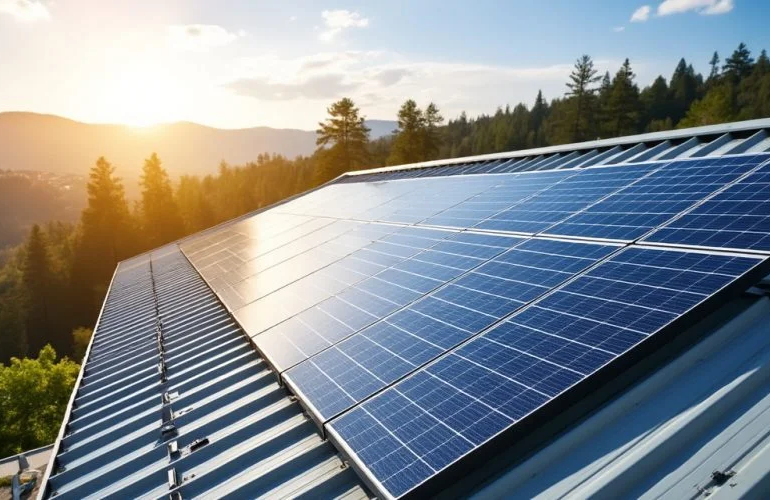
Solar Panels on Rooftop at Sunrise
Image Credit: Sustainability
Best Time to Buy Solar in 2025? It Depends On Your Priorities
Let’s keep it simple with what’s most important to you:
Priority\tBest Time to Buy
- Lowest upfront cost\tWinter (take advantage of discounts & promos)
- Fast installation\tWinter (less delays, more spares)
- Maximum energy savings ASAP\tLate Spring/Early Summer (soak up the sun)
- Access to new tech models\tLate Summer (after new product releases)
- Best mix of savings + timing\tMarch–April 2025 (transition time)
Insider Tip
While overall national trends give us an idea, local solar businesses tend to provide more individualized incentives related to your area’s climate, demand patterns, or state policies. Arizona or California may have winter specials, for instance, while colder states will encourage spring campaigns prior to weather installation peaks.
Keep in tune by:
- Signing up for local utility newsletters
- Reviewing your state energy department website
- Obtaining multiple bids from installers (they usually match competitors’ offers!)
What About Leasing or Solar Subscriptions
If you’re not ready to buy panels outright, solar leasing or power purchase agreements (PPAs) might be more attractive in late winter or early spring. Providers tend to market subscription models heavily during off-peak times to secure contracts before summer production ramps up.
Final Verdict
There’s no one-size-fits-all answer, but if you’re looking to maximize savings, avoid installation delays, and beat the rush, winter or early spring 2025 is your golden window. Yes, summer offers peak sunlight—but that also comes with peak pricing and scheduling headaches. A smart buyer in 2025 will plan ahead, lock in a winter-season deal, and be ready to generate clean, cost-saving energy by the time the summer sun arrives.
Conclusion
Solar is one of the savviest investments you can make in 2025—but timing is everything, as it is with any investment. While some automatically hold out for summer, winter might be the better time to strike a deal and installation. In the end, the ideal moment to purchase solar is when you are ready—financially, practically, and psychologically. Just don’t forget to comparison shop, receive bids from several installers, and factor in local incentives so you get the most bang for your buck.