
Blog Details

Not every home can support solar panels. Maybe your roof is shaded, your structure is old, or you’re renting. That’s where solar communities come in. Also known as community solar projects, these setups allow you and your neighbors to collectively subscribe to the output of a shared solar installation.
Here’s how it works:
A solar farm is set up in a common space, like a school rooftop, empty land, or warehouse, and you purchase or lease a portion of the power it produces. Your share of that electricity is credited back to your bill through net metering or other local utility programs.
Why this matters to you:
- 1. You reduce your carbon footprint while enjoying potential solar savings.
- 2. You get the benefit of solar energy adoption without installing anything on your home.
- 3. Many community solar projects are supported by government solar incentives, helping to lower costs even further.
- 4. If you’re a low-income homeowner or renter, some programs even prioritize discounted access.
One of the fastest-growing segments of the global solar market is community solar, providing access to clean energy for millions of people who might otherwise be excluded.
What Makes Virtual Power Plants So Powerful?
A virtual power plant is less a place and more a network—an intelligent system of solar panels, home batteries, EV chargers, and even smart thermostats, all working together. These distributed assets are digitally linked and managed to operate like one massive energy resource.
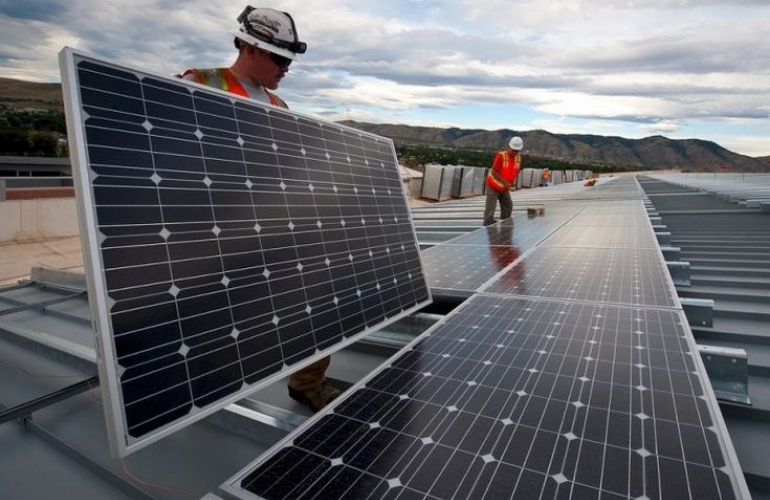 Global Solar Energy Trends
What’s the value of VPPs for you?
If you’re already generating solar power at home and storing some of it in a battery, your system can become part of a broader distributed energy network. When demand spikes, the VPP operator can draw from your stored energy and balance it across the grid. In exchange, you may earn credits or payments.
Key benefits include:
- 1. Lower reliance on fossil fuels and central power plants
- 2. Greater energy efficiency for your home and neighborhood
- 3. Support for renewable energy trends by integrating more solar and wind
- 4. Reduced solar power growth limitations by solving grid instability concerns
- 5. Additional solar energy jobs are created through the installation, monitoring, and maintenance of VPP systems
VPPs also play a key role in solar energy policy planning, helping utility companies avoid blackouts and infrastructure overloads while scaling solar adoption.
Combining Forces
Think of solar communities as the producers and VPPs as the coordinators. When these two models work together, your local energy can be generated and distributed more efficiently, reducing waste and keeping costs low.
This synergy supports solar energy and climate change goals by pushing energy systems to be cleaner and smarter, without placing the entire burden on individuals. As solar energy investment trends rise globally, this integration is considered a scalable solution in both urban and rural areas. You also contribute directly to solar energy and energy independence, decreasing reliance on imported fuels and centralized utilities.
Global Solar Energy Trends Through 2025
There’s a reason experts are calling the current period the decade of decentralized energy. By the end of 2025, analysts expect the solar energy market forecast to top unprecedented milestones. Here’s what you need to know:
- 1. Global solar energy targets are becoming more aggressive, especially across the US, EU, and Asia-Pacific.
- 2. Solar energy in developing countries is accelerating thanks to international funding and local initiatives.
- 3. The impact of solar energy on the environment remains overwhelmingly positive, particularly when paired with smart battery storage and reduced mining waste.
- 4. Local and federal governments are ramping up support for solar energy, especially in climate policy and funding.
- 5. New platforms powered by AI and blockchain are expected to automate solar energy statistics reporting and credit trading.
Key Factors Driving Solar Growth
Several interconnected forces are driving the surge in solar energy trends.
- 1.Affordability: Costs of panels, inverters, and batteries continue to drop.
- 2.Technological innovation: Smarter, more durable, and AI-integrated systems make solar energy smarter.
- 3.Policy alignment: Rebates, solar tax credits, and clean energy mandates are aligning across states and nations.
- 4.Environmental urgency: As the climate crisis accelerates, renewable adoption is no longer optional.
- 5.Cultural momentum: From neighborhood solar to global VPP networks, renewable energy is becoming part of everyday life.
Conclusion
If you’ve been wondering when to move to solar, now is the time. But this shift is no longer just about installing a few panels—it’s about participating in a much larger ecosystem that supports cleaner air, lower bills, and stronger communities.
By joining a solar community or connecting your home to a virtual power plant, you’re not only cutting costs—you’re actively shaping the future of energy. These models make solar more accessible, flexible, and efficient, especially for homeowners like you looking for smart ways to reduce environmental impact without sacrificing comfort.
What is the beauty of this evolution? You don’t have to embark on this journey alone. With growing government support for solar energy, new financial tools, and the support of your local energy network, you have every reason—and every resource—to start today.