
Blog Details
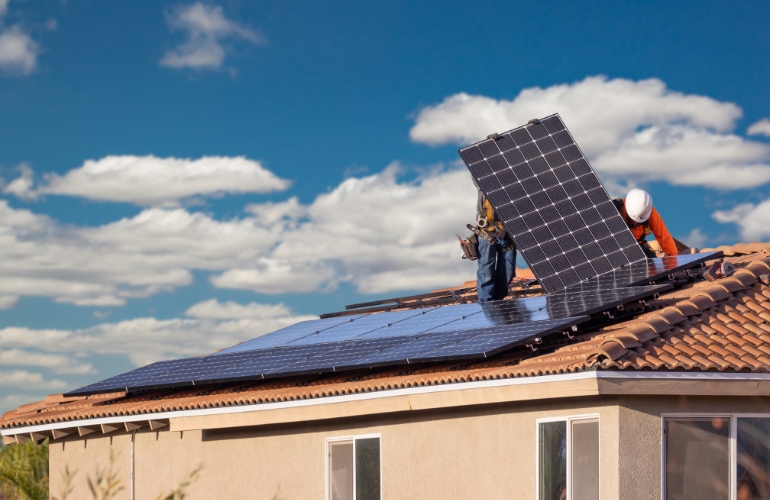
A certified solar installer
Starting with solar panels on your house is a wonderful first step toward sustainability, energy independence, and long-term savings. But in the excitement of reducing your carbon footprint and saving electricity bills, one crucial component—your roof—often gets neglected. The lifetime and success of your solar energy system mostly depend on the condition of your roof. Ignoring this crucial component can lead to costly repairs later on, compromised energy output, or maybe structural damage. Let’s find out why the condition of your roof influences whether your solar installation pays off.
The Solar Panels
Your roof is more than just a surface to place solar panels on. Your whole solar installation is mostly supported by it. Together with their mounting mechanisms, the panels themselves can be quite heavy for the roof. Apart from the weight of the panels, the roof has to bear extra stresses from factors such as wind, snow, and rain. If your roof is not structurally sound, it may not be able to handle the pressure, which can lead to serious issues like sagging, leaks, or worse, a roof failure.
Structural Integrity Matters
Before you even think about placing solar panels, a comprehensive roof assessment is necessary. The assessment should involve an in-depth inspection of the roof’s underlying structure, including the rafters, trusses, and sheathing. Here’s why such an examination matters:
Age and Material Degradation:
Your whole solar installation is mostly supported by it. The panels, along with their mounting mechanisms, can add significant weight to the roof. Apart from the weight of the panels, the roof has to bear extra stresses from factors such as wind, snow, and rain.
Existing Roof Damage:
Leaks, storm damage, or pest infestations can all weaken your roof’s structure. Installing solar panels on a compromised roof is like building on unstable ground. If your roof isn’t repaired beforehand, you may end up with additional costs for roof repairs, or even worse, the need for a roof replacement soon after installing your solar panels.
Load Capacity:
Each roof can only hold a certain amount of weight. Before installing solar panels, check that your roof can support their weight. Sometimes, especially with older buildings, you may need to talk to a structural expert to find out if you need to add reinforcements.
Roof Lifespan
The lifespan of your roof material is a critical factor when it comes to the success of your solar installation. Solar panels are designed to last 25-30 years or longer, while roofing materials may need replacing within 15-20 years. Here’s why this is important:
Cost of Removal and Reinstallation:
If your roof needs replacing during the life of your solar panels, you’ll incur additional costs for removing and reinstalling the solar system. This not only adds to the overall expense but also negates the potential savings you had hoped to achieve by reducing energy costs.
Optimal Timing:
Ideally, you should have at least 20-25 years of roof life remaining before installing solar panels. If your roof is older, it’s a good idea to replace it before proceeding with solar installation. This will save you money in the long run and prevent complications from having to remove and reinstall solar panels later on.
Material Compatibility:
Different roof materials require specific installation techniques. For example, some materials may require special mounting hardware to ensure a secure installation that won’t compromise the roof’s waterproofing. Be sure to consult with your solar installer about the compatibility of your roofing material.
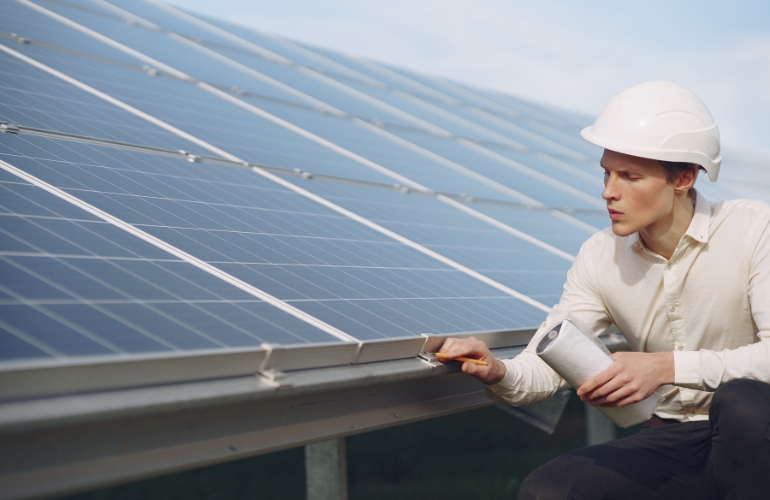
A secure installation
Waterproofing and Leak Prevention
When installing solar panels, the mounting system requires the roof to be penetrated. These penetrations, if not properly sealed, are a common cause of leaks after solar installation. This is where professional installation plays a crucial role. Here’s why:
Proper Installation:
A certified solar installer will use the best practices and high-quality sealing materials to prevent leaks. These installers understand how to flash the mounting points properly and ensure that no water can enter the roof through these penetrations.
Periodic Inspections:
Even with professional installation, it’s a good idea to have your roof inspected regularly to check for any signs of leaks or degradation of sealants. Regular maintenance can prevent small issues from turning into costly problems.
Roof Ventilation
Your roof needs proper ventilation to regulate temperature and prevent moisture buildup. Without proper airflow, heat and moisture can get trapped beneath the solar panels, potentially leading to overheating. The resulting heat can damage both the roof and the solar panels. Here’s why ventilation matters:
Maintaining Airflow:
Solar panel installations should not obstruct any existing roof vents or airflow. Ensuring that air can flow freely beneath the panels is crucial for both roof and panel efficiency.
Overheating:
Poor ventilation beneath the panels can lead to increased roof temperatures, shortening the lifespan of roofing materials and reducing solar panel efficiency. Proper ventilation helps ensure that the panels function optimally while maintaining the roof’s integrity.
Roof Assessment Before Installation
A roof assessment is not just recommended—it’s essential. Before installing solar panels, a professional roof evaluation should include:
- Structural Evaluation: Ensuring that rafters, trusses, and sheathing are in good condition.
- Material Condition and Lifespan: Assessing the condition of your existing roof and estimating its remaining lifespan.
- Leak Detection: Identifying any existing leaks or areas of potential concern.
- Ventilation Assessment: Ensuring that airflow is adequate and no vents are obstructed.
- Load Capacity Check: Verifying that the roof can handle the weight of the solar system.
Conclusion
Your roof is the basis of the success of your solar system, not only a site to put solar panels. A sturdy roof guarantees minimum danger of structural damage or leakage, thereby ensuring that your solar investment functions as planned. Let roof issues not reduce your solar potential. Before starting the solar installation, give a careful roof assessment priority and handle any required repairs or replacements. This will help you to safeguard your investment and guarantee that your solar system will provide years to come with continuous advantages.