
Blog
Blog Details
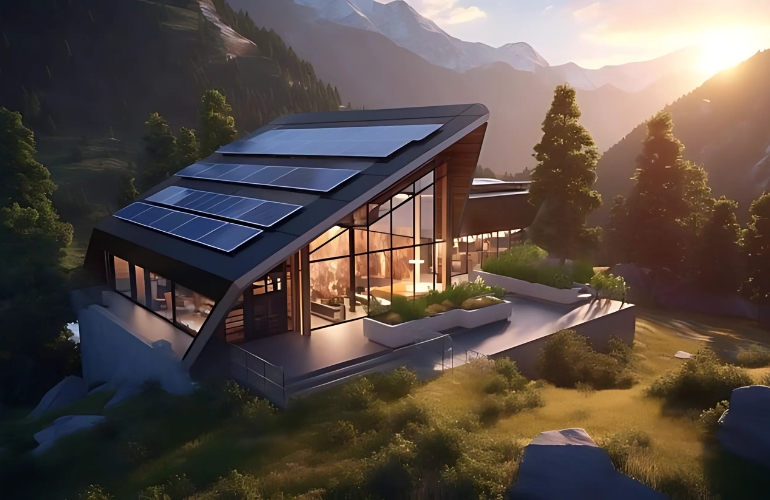
Selling a Home with Solar Panels
You’ve seen how solar energy can change your daily life by lowering your carbon footprint, cutting your power bills, and making your home an eco-friendly model. One major concern, though, arises when it comes time to move on: what happens to those solar panels you paid for? Selling a house with solar installed can absolutely work in your favor, but you’ll want to know the details to make the most of your investment.
How Solar Panels Add Value to Your Home
One main benefit you have as a seller is clear: solar panels really, physically enhance your house. Buyers of today are seeking sustainability, cost savings, and energy efficiency above only appearances. Solar energy system homes satisfy all the necessary criteria. Actually, homes with solar sometimes sell faster and for more than non-solar homes. When buyers realize they’ll enjoy lower or even eliminated electricity bills, that’s a serious incentive. Be sure to highlight how solar energy reduces costs and supports a greener future.
Do You Own or Lease Your Solar Panels?
Before you even list your home, you need to know: do you own the panels, or are they leased? Here’s why it matters: If you own your system (either fully paid or loan paid off), it’s treated like any other home improvement—something buyers inherit without hassle. If you lease the system or have a Power Purchase Agreement (PPA), it’s a different story. You’re essentially renting the panels or buying the electricity they produce. Selling a home with a leased system will require some extra steps.
Selling When You Own Your Solar Panels
If the system is fully yours, you’re in the best possible position. Here’s how to showcase it:
- Document ownership: Share warranties, proof of purchase, and system performance reports.
- Highlight energy savings: Share past electricity bills to show buyers the financial perks.
- Leverage warranties: If panel and inverter warranties are still valid, it adds extra buyer confidence.
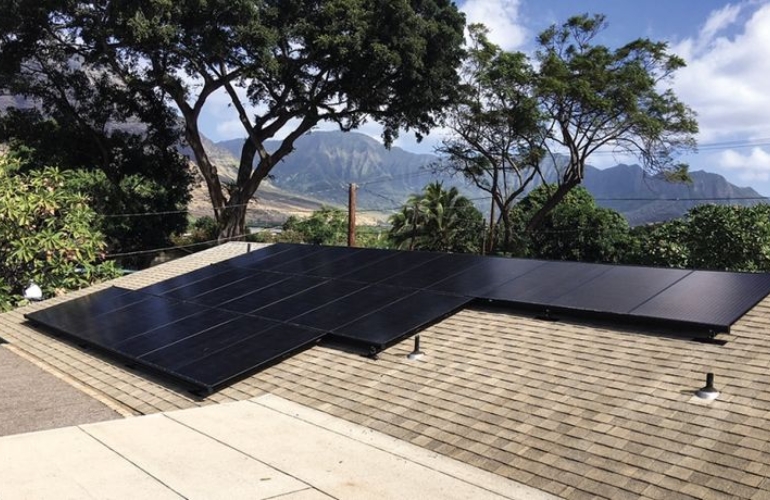
Buying a Home with Solar Panels
Selling a Home with Leased Solar Panels
If your system is leased, expect a few more logistics:
- Lease transfer: The buyer must agree to take over the lease, usually requiring a credit check and approval.
- Seller buyout: If the buyer isn’t interested in the lease, you might need to buy it out before closing.
- Clear communication: Be transparent about the leasing terms to avoid surprises.
- Lean on experts: A real estate agent familiar with solar transactions can help you navigate the process smoothly.
Smart Tips for a Smooth Solar Home Sale
- Transparency wins: From your first listing photo to the final walkthrough, make it clear whether the system is owned or leased.
- Educate, don’t overwhelm: Many buyers love the idea of solar but don’t fully understand it. Offer simple, clear facts about how solar energy works, the benefits of solar energy, and bust common myths about solar.
- Prove the savings: Keep electricity bills on hand to show real savings over time.
- Play up the green factor: Highlight how solar energy dramatically reduces reliance on fossil fuels.
- Be ready to negotiate: Some buyers may ask about covering transfer fees or adjusting the price slightly based on the solar setup.
Buying a Solar Home?
If you’re buying a home with solar panels already installed, here’s what you should check:
- Confirm ownership status: Ask whether the system is owned, leased, or under a PPA.
- Read the fine print: For leased systems, review monthly payments, responsibilities, and contract terms.
- Evaluate system health: Find out the age of the panels and inverter, their maintenance history, and any warranties.
- Plan for future upgrades: Solar panels can last 25 years or more, but inverters may need replacing sooner. Budget accordingly.
- Get professional advice: A solar expert or real estate attorney can give you extra peace of mind.
Why Solar Homes Are the Future?
Homes with panels are turning into hot commodities as knowledge of solar energy increases. For those who sell, they provide a great approach to raise the appeal to environmentally concerned consumers and property value. Purchasing a solar-powered house offers buyers long-term savings and a step toward environmentally friendly living. Solar panels today aren’t just a home feature; they’re a lifestyle choice, a financial advantage, and a commitment to a cleaner future.
Conclusion
Selling a solar-powered house need not be difficult. Clear communication, complete documentation, and a little buyer education will help you make your solar system a great asset. Homes with solar systems will only become more valuable as solar energy acceptance keeps rising and solar technologies advance. Understanding the process today can help you position yourself, and your prospective buyer, for success in a world progressively run by the sun.