
Blog Details
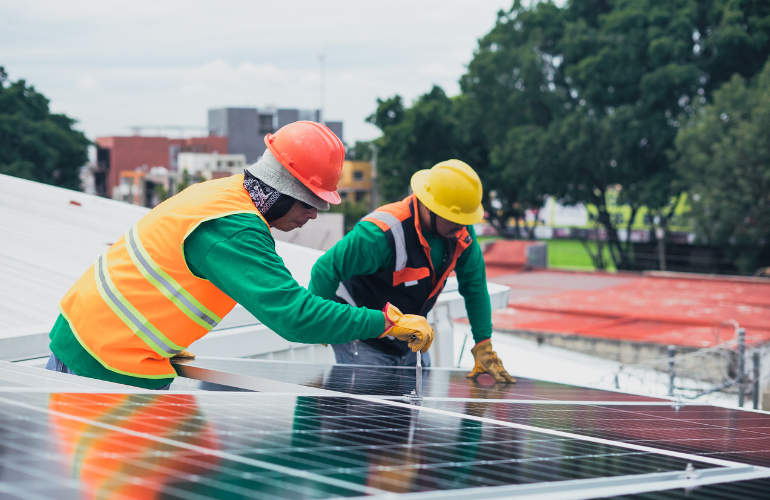
Solar Technicians Installing Solar Panels
Switching to solar energy is one of the smartest and most sustainable decisions homeowners can make. It promises long-term savings, environmental impact, and even tax incentives. However, as the popularity of solar continues to surge, so do the number of deals and promotions floating around online. While many are legitimate and worth grabbing, others can be misleading or downright deceptive.
- Getting caught by these “Too Good to Be True” deals
Let’s be real—everyone loves a bargain. But if you notice an ad that says “free solar panels” or “no installation fee with guaranteed lifetime savings,” step back. These deals usually have hidden charges, contract commitments, or fine print that commits you to years.
What to Watch Out For:
-
- Deals for free solar panels usually bind you to a solar lease or Power Purchase Agreement (PPA).
- Even though you don’t pay in advance, you might end up paying more in the long run.
- Certain firms assert government subsidies that may not even be applicable to your area or status.
Tip: Always check out claims by checking with reputable organizations such as your local utility company or government energy websites.
- Avoiding the Fine Print
Most individuals are thrilled about switching to Solar Dashsign agreements without reading the contract terms carefully. This is a recipe for regret. Some of these contracts have clauses that restrict panel ownership, increase your rate with time, or make selling your home in the future more complicated.
Common Hidden Traps Include:
-
- Annual rate hikes in PPAs
- Maintenance responsibilities resting solely on your shoulders
- Non-transferable agreements
Tip: Read all the fine print—including cancellation provisions, warranties, and maintenance. If you’re not sure, talk to a solar pro or attorney.
- Disregarding the Installer’s Reputation
A deal may show up on the top of your list, but it doesn’t necessarily mean the installer is trustworthy. Most people receive low-quality installation, inefficient panel systems, or no customer support because they didn’t check out the provider.
Red Flags to Look For:
-
- No credible customer reviews
- Lack of certification or licensure
- High-pressure sales methods
Tip: Select a solar installer that is NABCEP-certified (North American Board of Certified Energy Practitioners) and boasts a successful history of installations in your area.
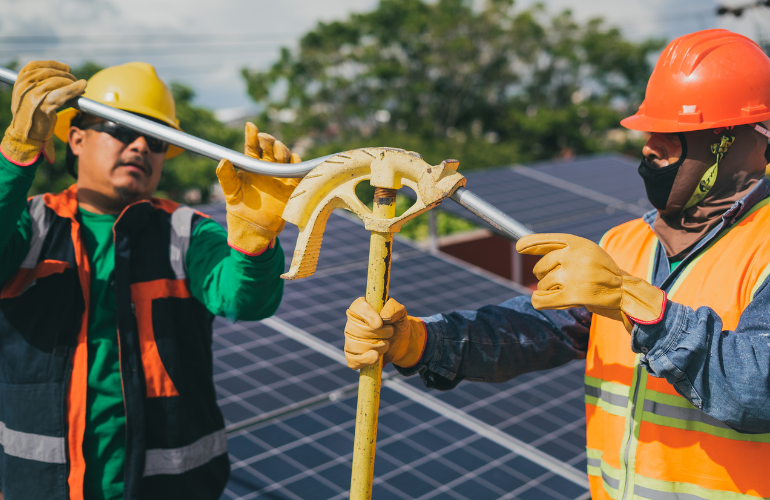
Solar Technicians Working on Site
- Not Understanding Your Home’s Solar Needs Each house is unique. Roof orientation, regional climate, tree shading, and energy usage patterns all affect the best solar configuration. Most people purchase off-the-shelf packages online without even knowing if they will actually cover their home’s energy needs.
Mistake Examples:
- Purchasing a package that won’t cover your true electricity use
- Panel installation in a shaded location and still questioning why your bill did not decrease
- Disregarding local codes or HOA regulations
Tip: Get a solar calculator gadget or arrange for a free home energy audit prior to signing up for any deal. The finest solar systems are individually adapted to your specifications.
- Ignoring Available Rebates and Incentives
One of the largest blunders? Failing to take full benefit from available tax credits, rebates, or incentives. Some homeowners jump at a deal only to find out afterward that they overlooked state or federal programs that would have saved them thousands.
Don’t Miss Out On:
-
- Federal Solar Investment Tax Credit (ITC)
- Rebates and SREC programs at the state level
- Solar incentives based on utilities
Tip: Before signing anything, look up the Database of State Incentives for Renewables & Efficiency (DSIRE) to find out about the incentives in your state or region.
How to Grab the Right Solar Deal
No doubt, the web is an excellent source to look for solar deals. But wise consumers must be careful, inquisitive, and knowledgeable. By avoiding these five blunders, you can get a deal that really fits your budget, your house, and your long-term needs.
Pre-Shopping Checklist:
-
- Read the whole contract
- Know your roof and energy needs
- Inquire about warranties and maintenance
- Check the provider’s license and online ratings
- See what incentives or rebates are available in your state
Conclusion
Going solar is a big step, and grabbing a deal online should feel empowering, not like a gamble. The key lies in being informed, asking the right questions, and taking your time before clicking that “Sign Up Now” button. By avoiding the top 5 mistakes mentioned above, you’re not just saving money; you’re securing a more sustainable future. Whether you’re shopping among Facebook ads or getting quotes from solar marketplaces, keep in mind: an astute solar shopper is a skeptical one. Do your research, and let the sun fuel your home and your savings the correct way.