
Blog
Blog Details
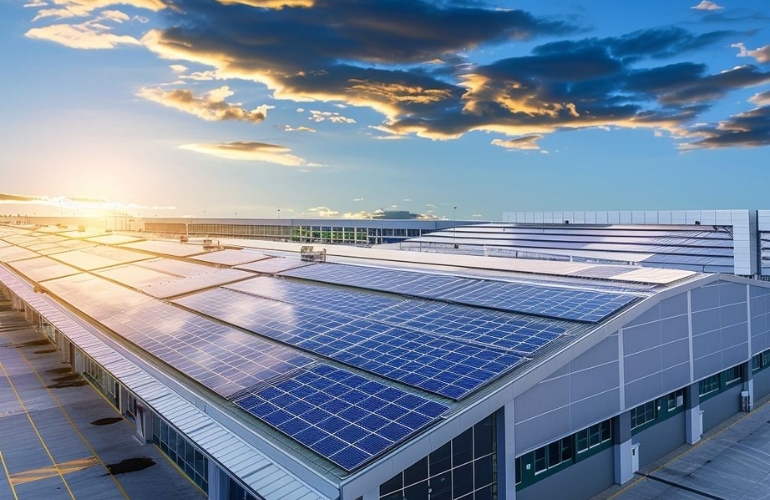
New jersey solar incentives
You’ve probably come across ads or headlines claiming you can get solar panels for free in New Jersey. While that sounds tempting, the reality is more nuanced. There isn’t a program that literally hands out panels at no cost, but there are financing options and incentives that can significantly reduce, or even eliminate, your upfront expenses. Instead of thinking of it as “free,” it’s better to see it as a low-cost entry into solar with long-term savings.
Solar Incentives in New Jersey
New Jersey has some of the most attractive solar programs in the country. Federal tax credits, local rebates, and state-level initiatives all combine to make installations more affordable. For instance, the federal solar tax credit currently lets you deduct 30% of your installation cost from your taxes, and state-level net metering allows you to earn credits for excess energy sent back to the grid. The selection of materials is also crucial. Although wood is still popular, medium-density fiberboard (MDF) and engineered wood are less expensive substitutes that don’t warp and take paint well. Whatever you choose, make sure it blends in with your current fireplace surround and mantle.
Measure, Plan & Prep Precisely
Appropriate measurement cannot be skipped. First, clean the surface, check for damage, and remove any existing trim. Take note of the mantle shelf’s height and width, the fireplace opening’s measurements, and the distance that the molding will reach the nearby wall or hearth.
Create a layout sketch showing how the fireplace will be framed by the moldings. To see balance and spacing, draw outlines on walls using painter’s tape. Being well-prepared helps you avoid errors and save money on rework. Assemble the necessary equipment as well, including a miter saw, caulk, primer, paint, nails or screws, and safety gear.
Install Carefully for Seamless Finish
Planning makes installation easier to handle. To ensure that joints fit tightly, cut molding pieces at exact angles, especially corners. For stability, use finishing nails in addition to adhesive. If you’re using real wood, always allow for wood expansion where pieces meet.
After installation, caulk seams to create seamless transitions and use wood filler to fill in any nail holes. To get rid of sharp edges, lightly sand. Apply a primer coat after the surface is smooth; this is crucial, particularly for MDF or painted wood surfaces. Whether the molding is exposed to daylight or evening mood lighting, it will always look its best if the paint is chosen with ambient lighting automation in mind—one that reacts well under different lighting conditions.
These programs help you get more for your money and lower your costs.
How to Lease Solar Panels
Leasing is one of the most common ways to learn about “free solar.” With a solar lease or power purchase agreement (PPA), a company will put panels on your home for free. You don’t own the panels; instead, you pay a set monthly fee or buy the power they make for less than what your utility company would charge. This setup lets you start saving right away, but you won’t get any tax breaks or a higher home value.
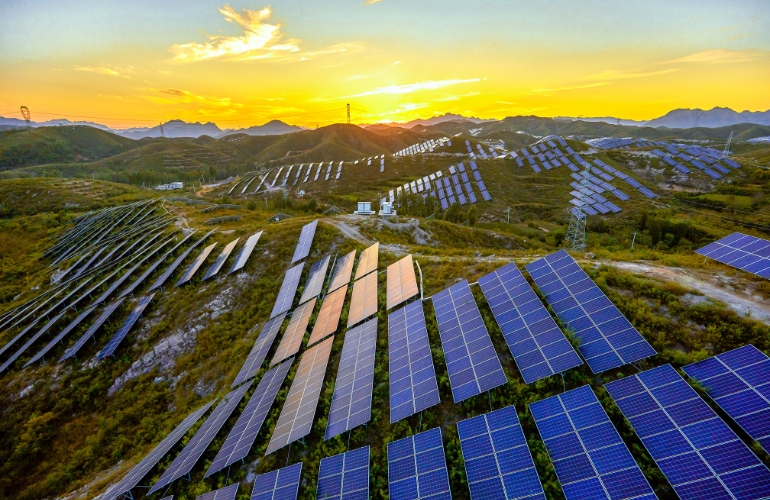 Home solar savings
Solar Loans for Ownership
Solar loans are another option if you want to own your system but don’t want to pay a lot of money up front. Like getting a loan to buy a car, these loans let you pay for the installation over time. You can get tax breaks, incentives, and all the long-term savings that come with making your own power because you own the panels. Over time, this usually provides more value compared to leasing, though it requires taking on monthly loan payments.
Comparing Leasing vs. Owning
To decide which model makes sense for you, it helps to weigh the trade-offs:
Leasing/PPA:
Home solar savings
Solar Loans for Ownership
Solar loans are another option if you want to own your system but don’t want to pay a lot of money up front. Like getting a loan to buy a car, these loans let you pay for the installation over time. You can get tax breaks, incentives, and all the long-term savings that come with making your own power because you own the panels. Over time, this usually provides more value compared to leasing, though it requires taking on monthly loan payments.
Comparing Leasing vs. Owning
To decide which model makes sense for you, it helps to weigh the trade-offs:
Leasing/PPA:
- No upfront cost.
- Lower utility bills from day one.
- No tax credit benefits.
- No increase in home value.
- Higher upfront or financed cost.
- Eligible for federal and state incentives.
- Adds value to your home.
- Greater long-term savings once the system is paid off.