
Blog
Blog Details
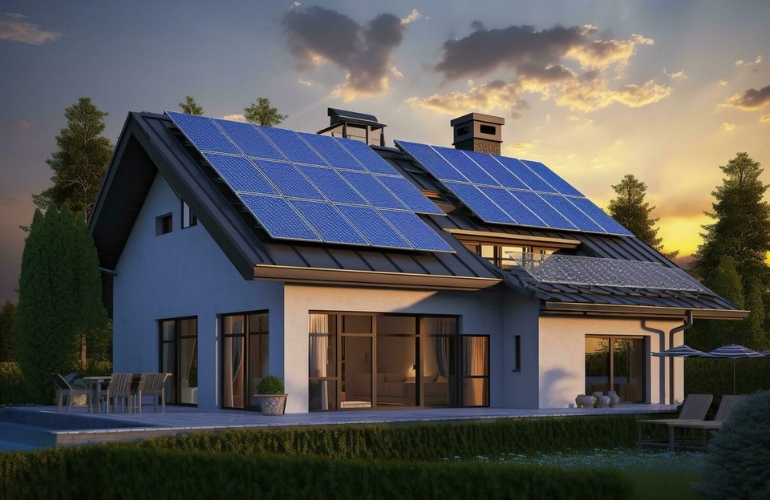
Residential solar installation
Choosing to go solar in 2025 is a financial decision that requires more than just looking at the system quote. You’re not just buying panels; you’re investing in a 20+ year shift in how you power your home. That means understanding what goes into the price and what factors pull it down through incentives and savings.
A typical home system ranges from 6 to 10 kilowatts. In 2025, that puts your gross price somewhere between $20,000 and $35,000 before any deductions. But this is only the surface.
Understanding Cost Per Watt (CPW)
The fairest way to compare quotes is through cost per watt. To get this, divide your system’s gross price by its total wattage. This year, average residential CPW in the U.S. falls between $2.50 and $3.50, but your actual rate depends on your location, system size, equipment brand, and roof layout.
Hardware vs. Soft Costs
Your total bill includes both tangible equipment and the less visible processes that bring your system online.
Hard costs
- Panels make up about 12% to 15% of your total. Monocrystalline panels tend to cost more due to better efficiency and cleaner aesthetics. Wholesale rates range from $0.90 to $1.20 per watt.
- Inverters convert DC power to usable AC. You can go with string inverters, microinverters, or power optimizers. The more adaptive options cost more but work better on complex rooftops. Inverters account for 10% to 20% of system cost.
- Mounting hardware and racking vary based on roof type and slope, making up around 3% to 5% of total spend.
- The balance of system includes cabling, disconnects, conduit, and grounding. These ensure your installation meets code and functions safely.
- These aren’t hardware, but they make up a growing share. In 2025, soft costs can represent up to 70% of your system’s price.
- Labor covers installers, roofers, electricians, and site inspectors. This cost swings depending on local wages and team experience.
- Permitting and inspection fees from local governments and utilities can delay projects and increase cost, especially in areas with outdated approval systems.
- Sales and operations overhead includes commissions, advertising, engineering, admin support, and office leases. High-pressure sales models inflate this part significantly.
- If you finance the system, dealer or origination fees for solar loans may be rolled into the sticker price. In some cases, this can inflate the cost by 20% to 40%.
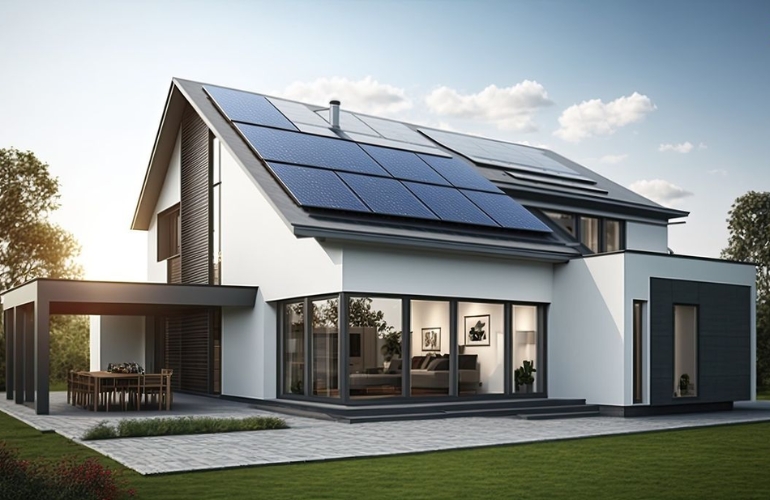 Home energy savings
Incentives Make the Difference
What you first see on your quote isn’t what you’ll ultimately pay. Strong incentives can bring down costs significantly.
The Federal Investment Tax Credit (ITC) remains the most influential tool. You can deduct 30% of your system’s total cost—including the battery—from your federal income tax. If your system costs $30,000, your tax credit is $9,000, bringing your true cost to $21,000.
Depending on your state, you may qualify for additional solar rebates, credits, or subsidies:
Home energy savings
Incentives Make the Difference
What you first see on your quote isn’t what you’ll ultimately pay. Strong incentives can bring down costs significantly.
The Federal Investment Tax Credit (ITC) remains the most influential tool. You can deduct 30% of your system’s total cost—including the battery—from your federal income tax. If your system costs $30,000, your tax credit is $9,000, bringing your true cost to $21,000.
Depending on your state, you may qualify for additional solar rebates, credits, or subsidies:
- Some states offer cash-back incentives or additional tax credits
- You may be eligible to sell solar renewable energy certificates (SRECs) back to the grid
- Many locations exclude solar from property tax assessments, meaning your home value rises without your tax bill doing the same
- Solar loans let you own the system and claim tax benefits. Rates and terms vary, but many options remain affordable
- Leases or PPAs (Power Purchase Agreements) require little to no money down, though you won’t own the system or receive tax perks
- Some providers offer special solar panel financing for low-income households