
Blog
Blog Details
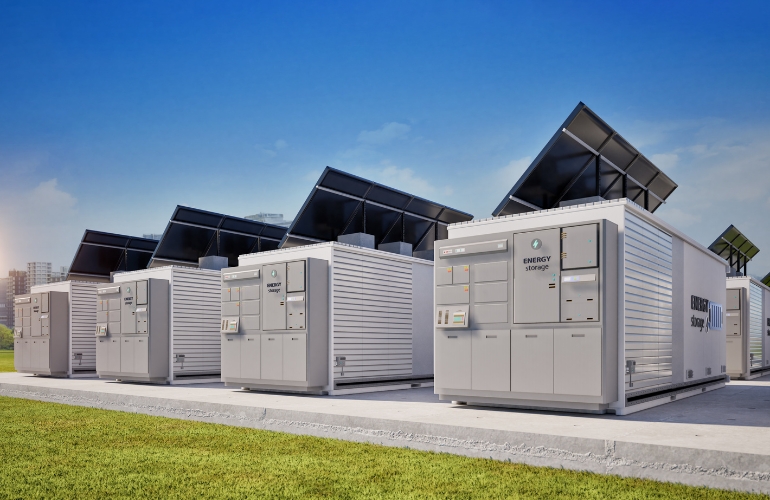
Solar storage benefits
Walk down any street lined with rooftop solar panels and you’ll notice a new conversation brewing among homeowners: should you pair those panels with a battery? Once a futuristic concept reserved for tech enthusiasts, “solar-plus-storage” systems are now popping up everywhere—from suburban neighborhoods to small businesses. But with this surge in popularity comes an honest question: is adding a battery a must-have, or is it simply the latest expensive fad?
Why Solar Alone Isn’t the Whole Story
Solar panels are brilliant at one thing—turning daylight into electricity. But they only do it while the sun is shining. Your home, on the other hand, keeps drawing power well into the evening. That mismatch creates a problem: you’re often exporting your excess energy to the grid in the afternoon, then buying it back at higher prices a few hours later.
The other issue is resilience. Most grid-tied solar systems automatically shut off during power outages to protect line workers. So when the neighborhood goes dark, your solar panels go dark too—even on a sunny day.
A battery neatly closes both gaps. It stores surplus energy produced during the day and keeps your home powered when you need it most, whether that’s during peak evening hours or an unexpected blackout.
The Real Value of Storage
The strongest argument for adding a battery isn’t the savings—it’s peace of mind. As storms intensify, grids age, and outages become more common, energy resilience is no longer a luxury. A solar + battery system automatically disconnects from the grid when it fails, creating a small “microgrid” for your home.
That means your essentials—fridge, lights, Wi-Fi, medical equipment—keep running quietly without fuel, fumes, or the roar of a generator. Depending on the size of your battery and your energy habits, it can last hours or even days.
Beyond emergency backup, storage gives you more control over your energy bills. You’re no longer at the mercy of unpredictable rate hikes because you’re storing your own power and using it when it’s most expensive on the grid.
The Financial Side
While batteries add upfront cost, the economics are shifting in their favor. Utilities are moving toward Time-of-Use (TOU) pricing, where electricity is cheapest midday and most expensive late afternoon through evening.
With a battery, you can “load shift” automatically:
- Charge the battery with free solar energy when the sun is high.
- Discharge it during expensive evening hours to avoid peak rates entirely.
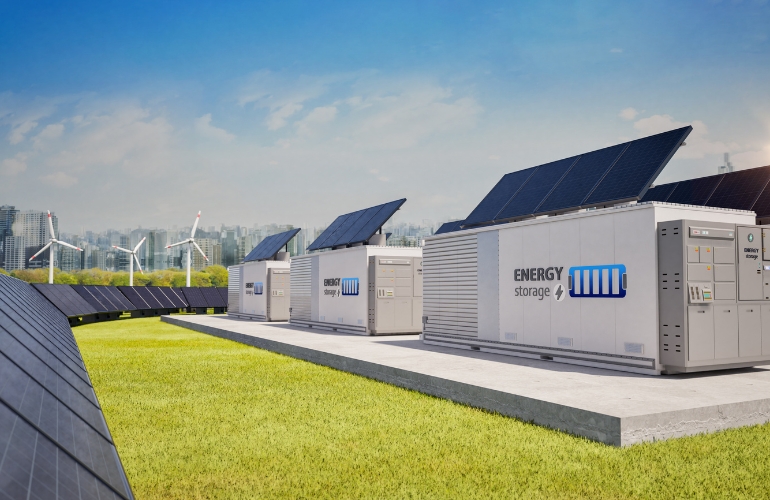 Solar home battery systems
Technology That’s Catching Up With the Promise
Battery technology has matured dramatically in the last decade. Prices for lithium-ion storage have fallen more than 70%. New chemistries, such as lithium iron phosphate (LFP), offer longer life spans and safer operation. Many systems now come with 10- to 15-year warranties, reflecting their durability.
On top of that, modern inverters and Battery Management Systems (BMS) use AI and IoT in solar energy to predict your usage patterns, track grid prices, and optimize when your battery charges or discharges. In short, the system does the thinking for you.
Solar panels themselves are also undergoing a renaissance. Bifacial solar panels capture sunlight from both sides, perovskite solar cells promise higher efficiency, and transparent solar panels could soon blend seamlessly into windows and urban facades. Together, these advances are reshaping how homes and businesses generate and store clean power.
Looking Ahead
What was once a niche “green tech” add-on is fast becoming a cornerstone of modern energy planning. As utilities struggle with grid reliability and more homeowners install solar, pairing panels with storage will move from being a smart upgrade to an expected feature.
A solar + battery system positions you not just as a consumer but as a proactive energy manager—someone who’s cleaner, more resilient, and financially independent from the grid.
Final Thoughts
So, is solar-plus-storage a must-have or a trend? The evidence points toward “must-have.” It’s not just about following the latest innovation; it’s about preparing for an energy future where reliability and self-sufficiency matter as much as cost savings.
By investing in a system that generates and stores its own power, you’re future-proofing your home, reducing your environmental footprint, and gaining a measure of independence that simply isn’t possible with panels alone. In a world of rising rates and frequent outages, that’s more than a perk—it’s a necessity.
Solar home battery systems
Technology That’s Catching Up With the Promise
Battery technology has matured dramatically in the last decade. Prices for lithium-ion storage have fallen more than 70%. New chemistries, such as lithium iron phosphate (LFP), offer longer life spans and safer operation. Many systems now come with 10- to 15-year warranties, reflecting their durability.
On top of that, modern inverters and Battery Management Systems (BMS) use AI and IoT in solar energy to predict your usage patterns, track grid prices, and optimize when your battery charges or discharges. In short, the system does the thinking for you.
Solar panels themselves are also undergoing a renaissance. Bifacial solar panels capture sunlight from both sides, perovskite solar cells promise higher efficiency, and transparent solar panels could soon blend seamlessly into windows and urban facades. Together, these advances are reshaping how homes and businesses generate and store clean power.
Looking Ahead
What was once a niche “green tech” add-on is fast becoming a cornerstone of modern energy planning. As utilities struggle with grid reliability and more homeowners install solar, pairing panels with storage will move from being a smart upgrade to an expected feature.
A solar + battery system positions you not just as a consumer but as a proactive energy manager—someone who’s cleaner, more resilient, and financially independent from the grid.
Final Thoughts
So, is solar-plus-storage a must-have or a trend? The evidence points toward “must-have.” It’s not just about following the latest innovation; it’s about preparing for an energy future where reliability and self-sufficiency matter as much as cost savings.
By investing in a system that generates and stores its own power, you’re future-proofing your home, reducing your environmental footprint, and gaining a measure of independence that simply isn’t possible with panels alone. In a world of rising rates and frequent outages, that’s more than a perk—it’s a necessity.