
Blog Details
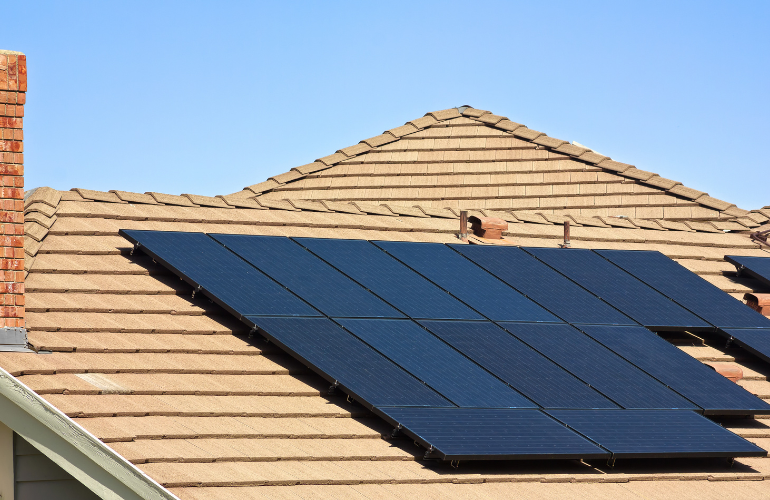
Rooftop Solar Panels
With the influx of green energy solutions, solar panels have become one of the most popular investments for residential properties. Of course, the internet is full of discounts, special promotions, and so-called “exclusive offers.” While some of them are real, most are not. Scammers have indeed found fertile ground in this thriving market. They are exploiting your desire to save money—and the planet—to sell you bogus deals that end up costing you much more money in the long term. So, how do you know if a solar discount is real or not?
Below are five red flags to guide you in recognizing a bogus solar discount before it’s too late:
- Unrealistically Low Prices
Remember: quality solar panels, installation, inverters, and wires all cost genuine money. If a company is selling these at suspiciously cheap rates, they are probably skimping on something or simply operating a scam.
What to do instead:
Do your research on the average market price in your region. Compare at least 3 quotes from verified solar providers before committing.
- No Physical Address or Contact Information
Legitimate solar companies always provide transparent contact information, including a valid phone number, email, and physical address. If the website or ad you’re looking at only offers a form to fill in or a WhatsApp link, take that as a red flag.
Why it matters:
Scammers operate behind a digital curtain. Without a physical address or proper customer service, there’s no way to trace them once the money’s gone.
What to do instead:
See if they have a Google Business listing or social media. If not outside the ad you’re seeing, that’s a red flag.
- Pressure Techniques and Sense of Urgency
“You need to act in the next 2 hours to get this discount!”
“Only 10 solar kits remaining at this price!”
These are all old scammer tricks. Real solar providers might offer limited-time deals, but they won’t bother you with hard sell pressure or countdowns designed to get you to make a rash choice.
What to do instead:
Take your time. Real solar providers will let you ask questions, have a site inspection done, and thoroughly go over the proposal prior to signing anything.
Solar Panel
- Vague or Missing Technical Details
Beware of offers that merely state something like “5kW solar system at best price” without specifying brands of panels or inverters, warranty conditions, efficiency ratings, or certifications.
Why it matters:
Reliable firms are open about their materials. Reliable solar panels have 20-25 year guarantees. Bogus offers tend to employ poor-quality or even spurious materials.
What to do instead:
Request datasheets and product names of the panels and inverters being sold. Check their ratings on the web or ask an expert before buying.
- Requests for Full Advance Payment
This is quite possibly the largest red flag of all. A scam seller will usually require you to pay the full amount in advance—sometimes granting a tiny “bonus” discount for that privilege.
Here’s the reality:
Most reputable solar vendors use a milestone-based payment schedule:
- A token amount or small booking fee.
- Half payment after site survey and installation commencement.
- Balance payment after system handover and net-metering installation.
What to avoid:
Never pay the entire amount in advance. Always request a detailed quote and signed agreement with payment milestones specified.
Other Tips to Protect Yourself:
- Check Reviews: Search the company on Google, Justdial, or solar-related forums like SolarQuotes or EnergySage.
- Verify Certifications: Ensure the installer is MNRE approved in India or NABCEP certified globally.
- Read the Fine Print: Always read terms and warranty conditions entirely before settling for a deal.
- Avoid Social Media-Only Deals: Most solar scams are spread on Facebook, Instagram, or WhatsApp ads that vanish in seconds.
Conclusion
As prices on solar power come down and it becomes more prevalent, it’s no surprise that folks want to score the best deals. But making a hasty decision on an online offer without first doing your research can result in costly financial loss and disappointment. The five red flags set out above, unusually low prices, absent contact information, high-pressure sales, imprecise specifications, and complete advance payments, are your signals to stop and check. Always go for registered, seasoned solar suppliers and insist on openness at every stage.