
Blog Details
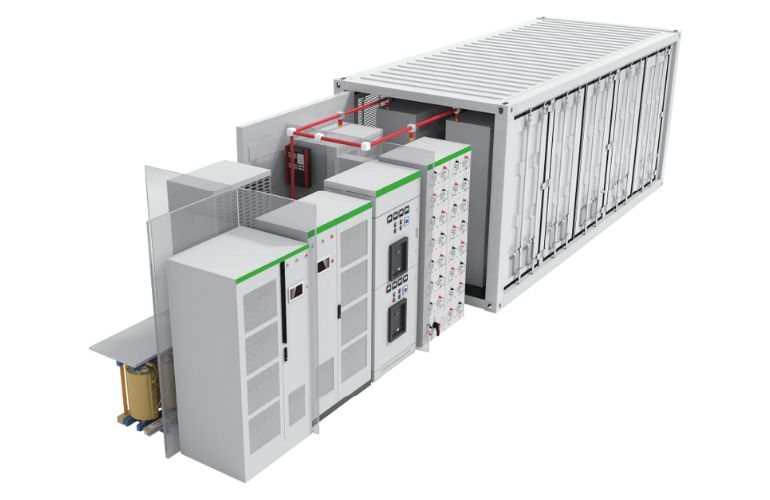
Image Credit: Power Sonic
Battery Energy Storage
From the beginning, there has been a constant rise in demand for energy storage solutions globally because of the shift to renewable energy. Both businesses and homeowners are now turning to battery storage for reliable energy supply, optimizing their investment in solar energy. As new entrants flock into the energy storage market, it has become almost impossible to decide which one is the right energy storage solution. This blog discusses the main challenges that saturate the market, with guidance on how to make the most appropriate choices.
The Rise of Battery Energy Storage
BESS (Battery Energy Storage Systems) are one of the main pillars of modern renewable energy solutions. As solar and wind generation increases, there is a need to provide efficient storage between energy production and consumption. Contributes to this development:
- 1. Decreasing prices of lithium-ion batteries
- 2. Government incentives for using applications for renewable energy
- 3. Technological advances in increasing the efficiency of storage
- 4. Awareness about energy independence
- 5. Market Saturation: A Double-Edged Sword
Of course, more competition in the market will encourage innovations and lower prices, but at the same time, a saturated market has difficulty.
- 1. Confusing Choices: It’s difficult to make a choice when there are so many battery brands and models available.
- 2. Quality Issues: Battery systems vary in performance, durability, and efficiency. Be wary of marketing hype and unrealistic promises, as they can sometimes mislead.
- 3. Compatibility Problems: Storage solutions may not work well with existing solar systems.
Main Battery Technologies in 2025
Currently, certain battery technologies dominate the market due to their wide range of benefits.
- 1. Lithium-ion Batteries: The Industry Norm Almost always, people use lithium-ion (Li-ion) batteries as a solar storage solution.
- 1.High energy density
- 2.Long life (10+ years)
- 3.Fast charging and discharging characteristics
As such, concerns about overheating and availability of raw materials in the supply chain are also there.
- 2. Solid-State Batteries: Future Energy Storage Solid-state batteries are emerging as a revolutionized innovation:
- 1. Higher energy capacity
- 2. Improved safety (i.e. lesser fire risk)
- 3. Faster charging times
They are still not the matured mass actors, but they will probably change the way people think about energy storage in the future.
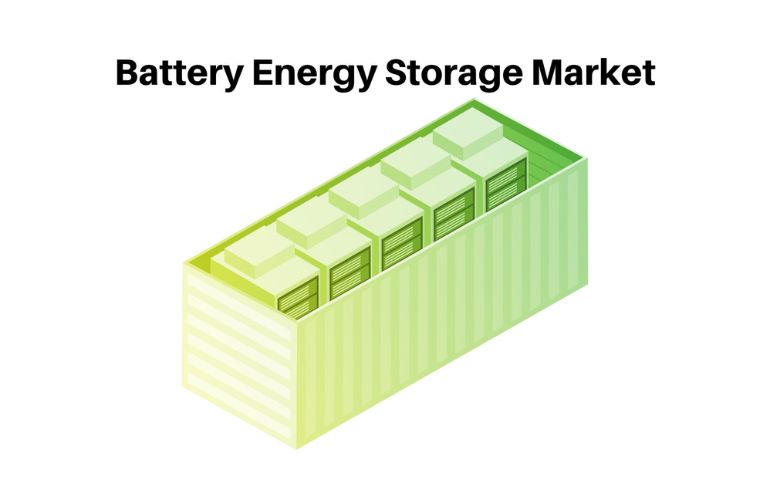
Image Credit: Enterprise Apps Today
Storage Market
- 3.Flow Batteries: The Choice for Any Storage Size The flow batteries have gained much commercial momentum due to their characteristics, such as:
- 1.Cycle life, which stretches over decades.
- 2.Scalability in capacity and delivery for large energy storage needs
- 3.Discharging of energy over long periods of time
- 4.Selecting an Energy Storage Solution
You want to think in the following terms as you consider this murky area:
- 1.Storage Capacity and Power Output Take the time to evaluate your energy needs so that you can choose the right size storage capacity and power output for your battery. Smaller, cost-effective models might be favored highly by most homeowners compared to larger, powerful systems usually demanded by businesses.
- 2.Round-Trip Efficiency Efficiency tells what amount of stored energy can actually be retrieved for use. The better the battery is at storing and releasing energy, the higher the round-trip efficiency.
- 3.Battery Lifespan and Warranty The longer a battery can last, the better value it offers in the long term. Warranties should be available for at least 10 years.
- 4.Cost Vs. Value While the initial costs have a major impact on the decision, savings over the long term are as significant, particularly in light of the government incentives accompanying lower energy bills. Governments across the globe offer incentives for energy storage through investment tax credits (ITCs), renewable energy installation grants, or rebates or subsidies for battery purchases. These benefits do cut the upfront costs of installing battery systems into very significant portions.
The next three years will bring about the most exciting improvements in energy storage, paving the way for a resilient future. Smarter batteries with AI-driven energy management connected to their external circuits will enable them to use stored energy more efficiently. Further developments focused on materials beyond lithium-ion will improve the sustainability and performance of the batteries. Lastly, large-scale grid storage installations are expected to get bigger so they can fit the deployment of large battery installations to keep power grids stable on a bigger platform for adding renewable energy.
Conclusion
Successful navigation through the market of oversaturated energy storage batteries requires taking into account factors like technology, efficiency, cost, and compatibility. Businesses and homeowners alike can make good decisions on their energy needs equipped with knowledge on critical developments and incentives that can be used by households towards their benefit. Innovations in technology continue to reshape the industry, and the future of energy storage only gets brighter.