
Blog Details
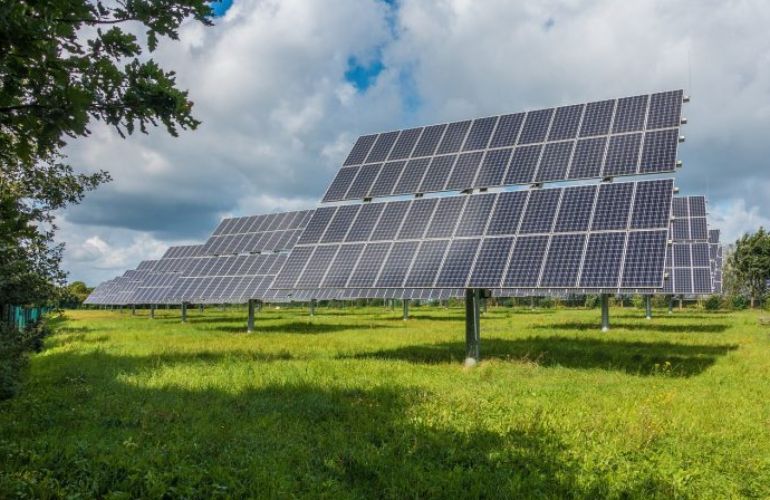
Image Credit: Bioenergy Times
Solar Innovations
The growth of renewable energy at a rapid pace is being seen in the world, especially with the majority of the positive trends pertaining to the increase in the use of solar energy. With modern technology, solar energy is becoming more efficient, cost-efficient, and user-friendly for all. We can actually look to the developments of solar technology that will facilitate total revolutions in energy and storage for all purposes come 2025. For businesses and other commercial bodies, these innovations will be valuable in saving costs and reducing carbon footprints.
Raising Efficient Solar Panels
Efficient solar panels are one of the latest technologies developed in the solar field. Standard solar panels only convert between 15-20% of sunlight into electricity, but the new technologies (perovskite solar cells & tandem solar panels) now provide efficiencies higher than 30%.
Perovskite Solar Cells: The Future of Solar Energy
Perovskite solar cells represent a significant advancement in the solar paradigm. Light in weight and flexible in nature, these cells can be cascaded on top of established silicon-based panels to augment energy catch. Perovskite cells try to produce more energy without significantly raising the cost of installation by absorbing a much wider range of wavelengths of sunlight.
Bifacial Solar Panels: Maximizing Sun Absorption
Bifacial solar panels, which greatly absorb tidily assigned solar energy, provide another measure of progress in the solar industry. Bifacial solar panels, which can increase energy conversion by up to 30%, offer an ideal solution for enterprises seeking a substantial return on their capital investments.
Smart Solar Inverters for Edge Profiling
The efficacy of solar network systems is not just about converting sunlight into electricity; there’s optimization of performance from smart inverters and another technology taking a leap in its technological chronology in 2025 with AI and machine learning capabilities, real-time monitoring, and performance optimization.
AI-Incut Inverters: Optimizing Energy Management
Power is optimized by AI-inactive inverters that look at data based on many factors instead of guessing the weather’s ability or the grid’s demand for energy consumption delta. Through this, businesses not only enjoy the benefit of using their systems at maximum efficiency, but they also extract the best value for their money by minimizing waste.
Grid-Interactive Inverters: Future Power Generation Technologies
Current power inverters are equipped with grid-interactive functionality, allowing businesses to store surplus solar energy and render it back to the grid during times of greater need. This approach offers the convenience of reduced electric bills for a firm while supporting the grid for energy safety.
Energy Storage Systems: Enhanced Solar Reliability
Energy storage presents a persistent challenge for the solar industry. Despite the tremendous progress in battery technology, the last few years have enabled solar power to guarantee consistent power during periods of fuzzy weather.
Image Credit: SunCo Solar
Energy Efficiency
Solid-state batteries: Revolutionary Advancement in Storage Technology
Allow me to introduce you to solid-state batteries, a new technology that will entirely change the way we think about storage beyond the centuries-old lithium-ion batteries that are already on the market. They do this by creating unfolded platforms that can hold more energy, last longer, and need less charging. If such batteries could prove commercially viable, they would, thus, assist businesses in stocking more energy into them, pushing them to worry less about maintenance.
Solar-Integrated Storage Systems
Solar-integrated battery storage systems support businesses in ensuring their power resilience. They collect extra solar energy converted during peak sunlight hours to be discharged as per high energy requirement. The efficiency of this technology, coupled with price decreases, will provide provisions for the essential complementing parts for modern solar setups in the time ahead.
Floating Solar Farms: Expanding Solar Potential
The use of land for large-scale solar projects is greatly confined. It is therefore innovative for floating solar farms to harness solar power potential while denying real estate.
Working of Floating Solar Panels
The floating solar panels are situated on a water body that may range from the reserve, lakes, and oceans. They have other benefits as well; they have low land cost, reduced water evaporation, and cooler panels that result in a high efficiency.
Worldwide Expansion
Countries such as the United States, China, and the Netherlands invested heavily in floating solar farms, aiming to increase renewable energy production significantly. However, we expect future advancements in waterproofing and wear resistance to ensure that these installations significantly increase the global solar capacity.
Government Policies and Incentives
Government policies and incentives greatly power significant solar technology adoption. Through 2025, various other policies will help businesses migrate to solar energy.
Federal Tax Credits and Grants
Tax credits and grants are in place in several countries to spur solar installation. The investment tax credit (ITC) remains the US’s major incentive for solar project installations.
Net Metering and Feed-In Tariffs
Net metering regulations enable businesses to sell excess solar power back to the grid for revenue, on top of reducing their power bills. Alongside feed-in tariffs, which profit firms at a standardized rate for generating renewable energy, feed into making solar investments more attractive.
Prospects for Commercial Solar Installations in the Future
Ongoing advancing technologies, increasingly lower costs, and growing government support ensure a bright future for coming commercial solar installation. Solar installations in the year 2025 would give businesses higher efficiency, less expensive middle-of-life costs, and significant sustainability.
In conclusion, the growth rate in solar technology is too rapid now that it has a tremendous disruptive influence on the energy sector experientially. High-efficiency solar panels, battery storage solutions, and smart inverters all impart additional charm to the adoption of solar energy alongside the developments in the past.