
Blog Details
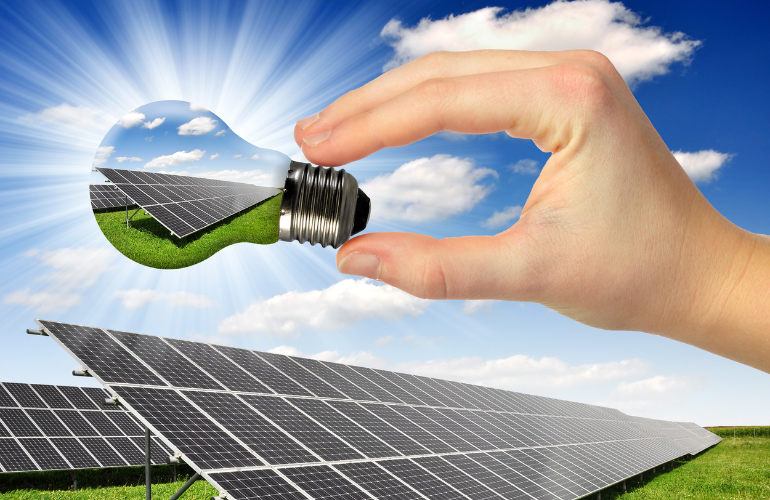
Solar panels
If you’ve been considering making the switch to solar power, chances are you’ve already researched a little and learned there are two primary methods to obtain solar panels for your house: renting (or leasing) them or buying them outright. But which one ends up costing you less in the long term?
On the surface, rental offers sound good—no down payment, no maintenance worries, and lower monthly payments than your electricity bill. However, buying solar panels provides ownership, long-term financial savings, and access to worthwhile incentives. So what do you do and how do you know what is best financially and practically for you?
Let’s simplify it in clear, plain terms. Solar panel leasing—or renting—is an excellent choice if you want to install solar but won’t break the bank. Most leases don’t involve an initial investment. Everything is handled by the solar company: installation, maintenance, monitoring, and even repairs. All you do is pay a set fee each month for the electricity your panels generate.
This is appealing to many homeowners because it seems risk-free. You still save money on your electricity bill, typically from the first month, without a commitment upfront. It’s a win-win in the short run.
But here’s the catch: you don’t own the system. That is, you’re basically “renting” the advantages of solar energy and paying for them each month for 20 to 25 years. You also don’t get government subsidies, tax credits, and other financial benefits that come only through ownership.
The Benefits of Buying Solar Panels Now, let’s discuss purchasing. When you buy a solar power system, either outright or through financing, you own it. It belongs to you. And that has some tremendous benefits. To begin with, you have the full benefit of government incentives. In India, for instance, homeowners can claim subsidies on the MNRE scheme, which can lower installation costs by as much as 30-40%. In other nations, there are similarly federal and state-based tax credits. These incentives can cut your overall investment quite substantially. Second, when your system gets paid off, usually in five to eight years, you have free power for the remaining life of the system, which is typically 25 years or more. That translates into significant long-term savings, quite easily in the range of ₹6–10 lakhs or more over twenty years.
Also, ownership provides you with freedom when you need to sell your house. Houses with completely owned solar systems tend to sell quicker and for more money. Buyers are thrilled at the prospect of a house that accompanies them with basically no electricity bills. Yes, buying solar does come with higher upfront costs, and yes, you’re responsible for maintenance (after warranties end). But the systems today are so low-maintenance that annual servicing is usually enough, and that hardly puts a dent in your savings.
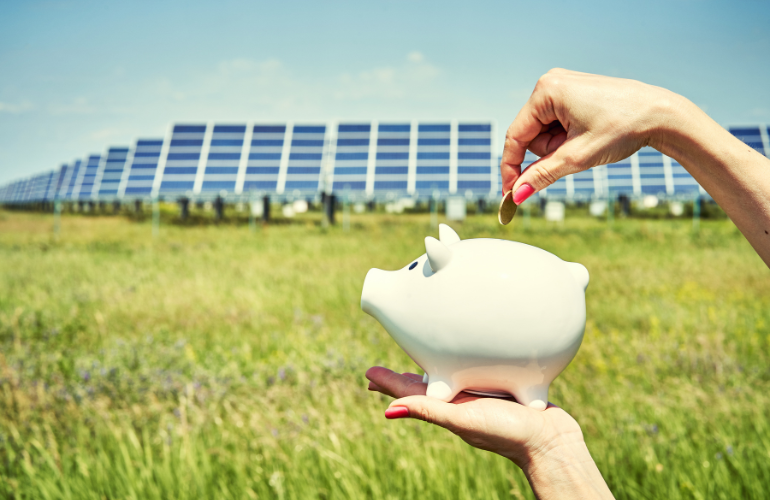
Piggybank in a Solar Panel Field
The Maintenance Factor One of the major concerns people have when it comes to purchasing solar panels is maintenance. What if something breaks down? What if performance drops? When you lease, the company takes care of it all. If something happens, they’re just a phone call away. That’s wonderful peace of mind.
When you purchase, warranties protect most of the system for 10–25 years. Nevertheless, after warranties lapse, any maintenance or repairs are yours. Luckily, solar systems are durable and don’t tend to malfunction. A simple yearly tune-up or cleaning may be all they’ll ever require.
If you are someone who doesn’t want to have to think twice about system performance or call technicians, rental may be what you like. However, if you don’t mind doing a minimal amount of maintenance, purchasing won’t be an issue at all.
Selling Your House with Solar Panels Consider resale as another factor. If you move or sell your home someday, what will become of your solar system? With rentals, you would have to pass on the lease to the new buyer. This might make it hard to sell if the new buyer doesn’t want to pick up where you justify off with the rental agreement. With a bought system, it’s simply another asset that has value on your home. Buyers are more likely to view it as an advantage since they’ll have lower bills without the cost of monthly payments.
Which One Saves You More In a nutshell, if you’re looking for instant savings without upfront costs and want someone else to handle all the technicalities, solar panel rental might be the way to go. However, if you’re willing to invest a bit more in the beginning, or secure financing, you’ll find that buying your solar panels almost always saves more money in the long run. You’ll also be eligible for incentives and enjoy total energy independence after your system is paid off.
Conclusion It’s not a money-only decision, it’s a lifestyle one. If you desire something low-maintenance and temporary, renting might be for you. If you’re considering building actual, long-term wealth and getting the most out of solar power, though, buying is the wiser and more fulfilling option. At the end of the day, both paths converge to a cleaner, greener, and more energy-efficient future. It’s just about making the choice that suits your budget and aspirations today.