
Blog Details
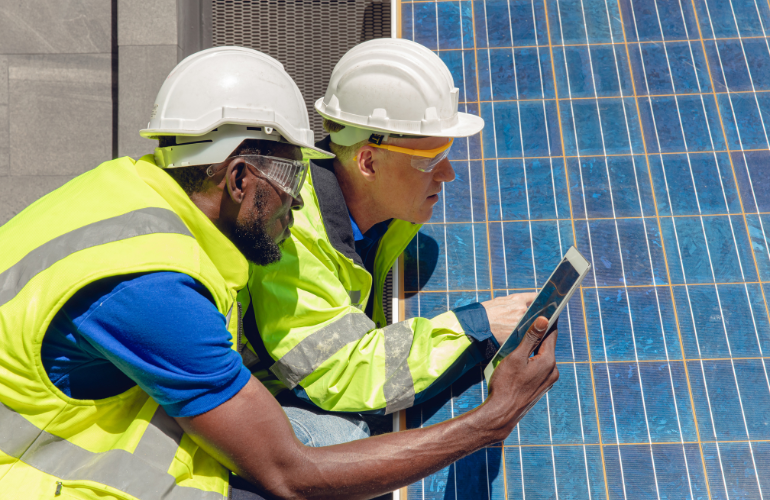
Technicians Maintenance Solar Panel
Switching to solar energy is no longer just a trend—it’s a smart investment that lowers electricity bills and helps the planet. But once you decide to go solar, the key question is: should you buy your solar panels through a solar deal or lease them from a provider? Both options make solar energy accessible, but they differ greatly in ownership, savings, and long-term impact on your finances. Understanding these differences is essential to making the best decision for your budget.
What’s a Solar Deal?
A “solar deal” typically means purchasing the system outright or financing it through a loan. Either way, you own the solar panels installed on your property. Whether you pay upfront or through installments, the system is yours once paid off.
One of the biggest benefits of buying your solar system is the access to government incentives. In places like the U.S., you can claim federal tax credits that significantly lower the overall cost of the system.
Solar panels last over 25 years, making ownership a smart long-term investment. Any electricity your system generates is yours to use or sell back to the grid. Plus, owning solar panels can increase your home’s value, which is attractive to future buyers.
However, the downside is the high upfront cost. You’re also responsible for maintenance, though most systems require minimal upkeep and come with warranties.
What Is a Solar Lease?
A solar lease is ideal for those who want solar energy without the upfront cost. The solar company installs and owns the system, while you pay a fixed monthly fee to use the energy it generates. The company handles all maintenance and repairs, providing peace of mind.
However, with a lease:
- You don’t qualify for tax credits or incentives.
- You save modestly on utility bills, but long-term financial benefits are limited.
- Lease contracts are typically 20-25 years, and if you sell your home, transferring the lease can be tricky if the buyer doesn’t want it.
Comparing Long-Term Costs
The biggest difference between buying and leasing is the long-term savings potential. When you buy solar panels, your initial investment is higher, but once paid off, the energy is essentially free. Homeowners typically break even in 6 to 8 years, and after that, it’s pure savings for the life of the system.
With leasing, you avoid upfront costs and start saving immediately, but you’ll keep making payments for the duration of the lease. Over 20 to 25 years, your total savings will be less compared to owning. In simple terms: leasing offers short-term convenience, but buying delivers greater long-term value.
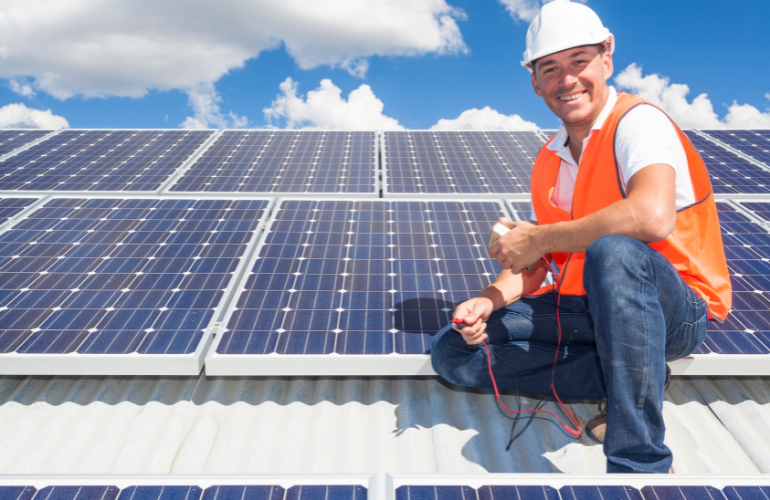
Solar Panel Technician
Ownership vs. Flexibility
Ownership gives you complete control over your solar system. You can upgrade it, add battery storage, or modify it as needed. You also benefit from every watt of energy produced.
Leasing, however, limits your flexibility. You’re bound to a contract, often with annual payment increases, and any changes or upgrades have to go through the solar company. Selling your home can be complicated if the buyer isn’t keen on taking over the lease.
What About Power Purchase Agreements (PPAs)?
PPAs are similar to leases but with a different payment model. Instead of a fixed monthly fee, you pay based on the actual energy generated, usually at a rate cheaper than your utility company. Like leases, you don’t own the system and can’t claim incentives. PPAs can be a good middle ground but still don’t match the long-term savings of purchasing.
Making the Right Choice for Your Budget
If you’re ready for a long-term investment and want to maximize your savings, buying your solar system is the smarter choice. Though more expensive upfront, ownership pays off with greater financial returns and home value boosts.
If you’re not prepared to invest upfront or prefer hassle-free maintenance, leasing could be a better fit. Just remember, you’re trading long-term gains for short-term affordability.
Conclusion
Choosing between a solar deal and a solar lease depends on your financial situation, future plans, and how long you intend to stay in your home. Buying panels offers the best return on investment, full ownership, and access to incentives. Leasing provides a low-barrier entry to solar with predictable costs but limited savings. There’s no universal answer, but by understanding each option’s impact on your budget today and in the future, you can confidently choose the solar solution that best suits your needs.
Leave A Comment